
The Novel’s Collaboration with Its Subject
The Museum of InnocenceThis flow traces Orhan Pamuk’s entry into Kemal’s project and the negotiated boundary between witness, author, and character.
increasing Bearing strength in each event
 decreasing
Bearing strength in each eventdecreasingKemal Seeks a Narrator
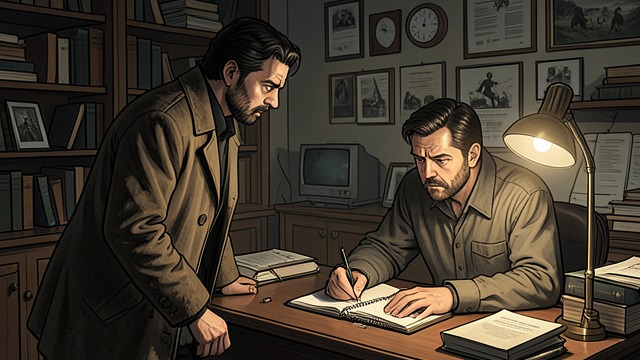
Kemal Seeks a Narrator
A request for help
Kemal approaches Orhan Pamuk and asks him to write the catalog of the Museum of Innocence in the form of a novel. He wants the objects’ stories arranged with care.
A subject becomes a voice
Kemal’s proposal asks an author to speak in his name. The collaboration raises questions about who owns a life story and how it can be narrated.
The Story Told at Supper
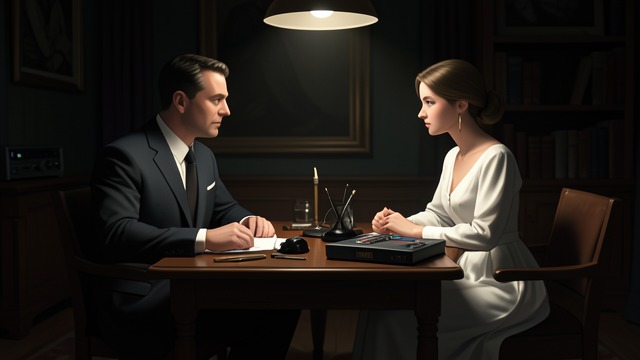
The Story Told at Supper
An account in fragments
Kemal tells Orhan Pamuk the story over dinner, moving backward and forward through memory. He is eager to be understood but not always disciplined in his telling.
Objects anchor the narrative
The objects help establish a sequence and a tone. Kemal’s collection becomes the structure through which personal experience can be made legible to another person.
First-Person Discomfort
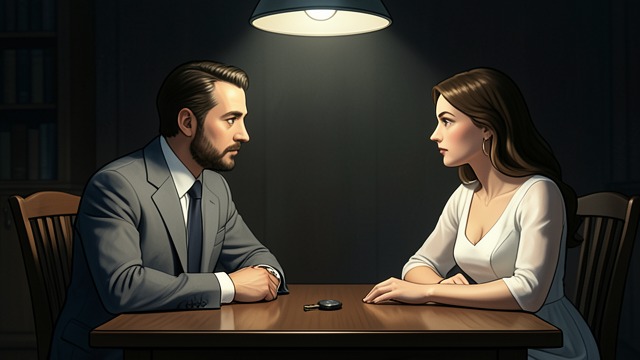
First-Person Discomfort
The author speaks as Kemal
Orhan tells Kemal that the novel is written in the first person. Kemal is unsettled by another person speaking in his voice, even while he wants the story completed.
Trust through candor
The discomfort becomes productive when Orhan recounts his own dance with Füsun at the engagement party. Kemal accepts him as a narrator because he admits his weakness and desire.
Truth and Public Memory
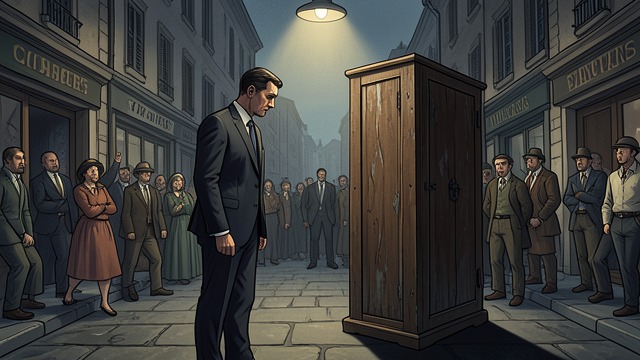
Truth and Public Memory
A record for visitors
Kemal asks that the book identify the collection’s history, preserve its order, and help readers navigate Istanbul. He wants the museum and novel to illuminate one another.
A story not easily owned
Other people hold different memories of Kemal and Füsun, but he insists that the novel tell the story as he experienced it. The collaboration balances testimony with authorship.
The Narrator’s Farewell
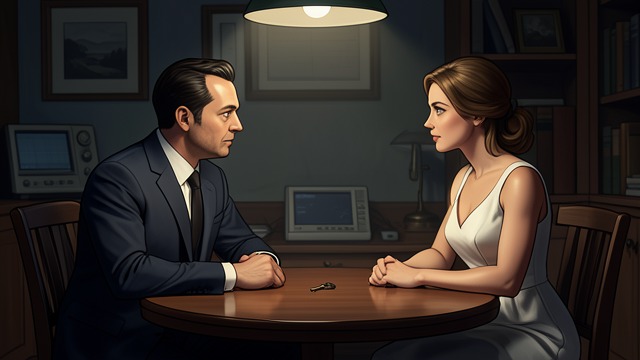
The Narrator’s Farewell
Kemal yields the voice
Kemal decides that Orhan Pamuk should finish the story and speak directly to readers. He accepts that his own voice has already been heard extensively.
A final image
Orhan remembers his dance with Füsun and the private fantasies it awakened. Kemal’s last requested message is that he lived happily, even though his life ended in loss.
After years of museum planning
Their first meeting
During the manuscript work
Late in the collaboration
Final pages
